 Carson Tahoe Health
By Dr. Lahdan Refahiyat, MD, Interventional Cardiologist at Carson Tahoe Health
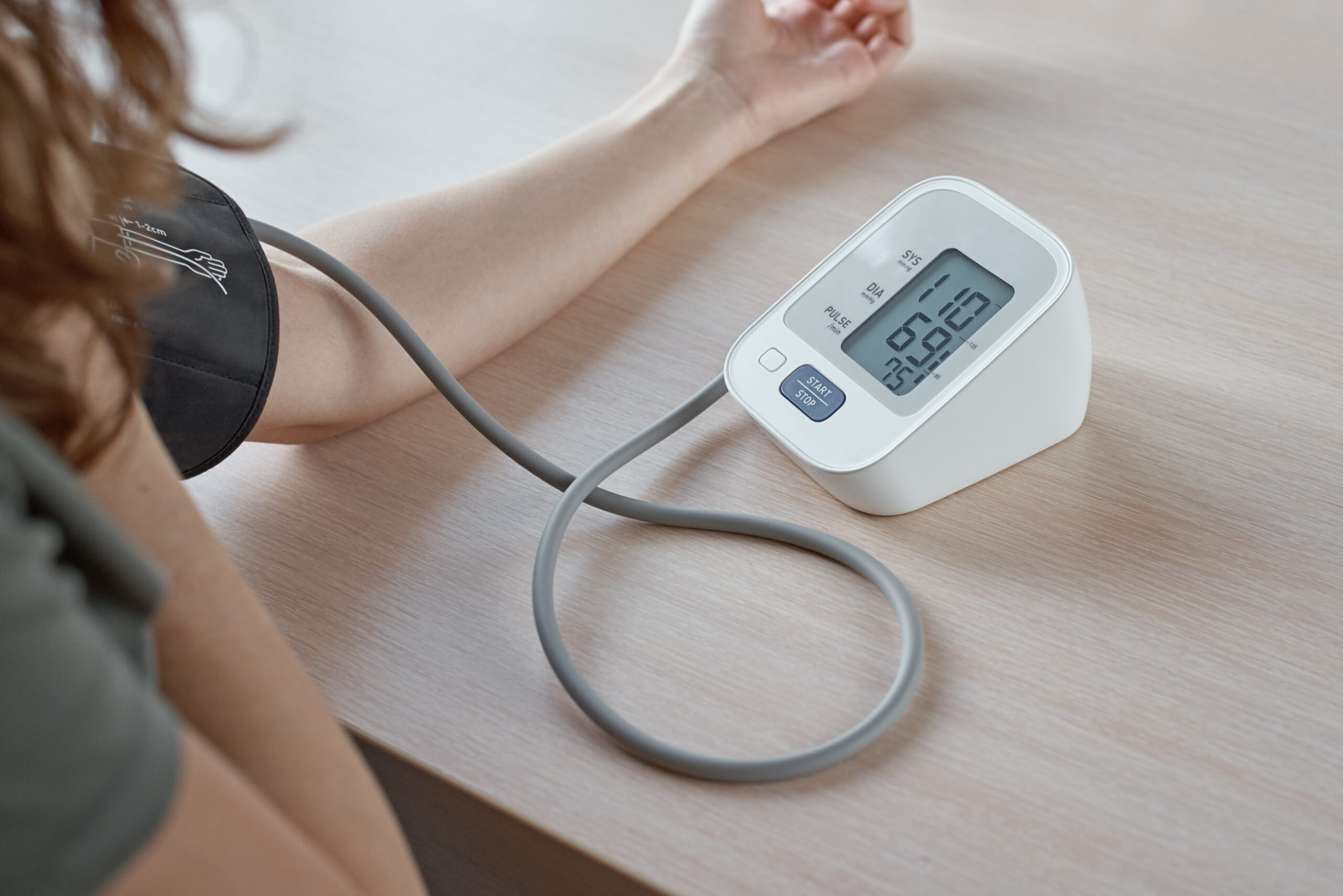
May is National High Blood Pressure Education Month. Globally hypertension is one of the most prevalent conditions affecting millions of people. Nearly 120 million Americans have hypertension but only 50% of them are aware of their condition and only 20% have adequate control of their blood pressure. This lack of awareness is why people call hypertension the “silent killer.”
One of the challenges of high blood pressure is the fact that most of the time it does not cause any symptoms. Aside from when blood pressure is extremely high, most people don’t know (can’t feel) when their blood pressure is mild to moderately elevated. But even in the absence of symptoms, high blood pressure causes damage over time. Years of uncontrolled high blood pressure can lead to plaque buildup in the arteries of the heart, strokes, thickening of the heart muscle and valvular disease, to name a few. More recent research also shows that hypertension increases the risk of dementia and general cognitive decline. Much of the damage caused by uncontrolled hypertension is irreversible. This is why surveillance and prevention are key.
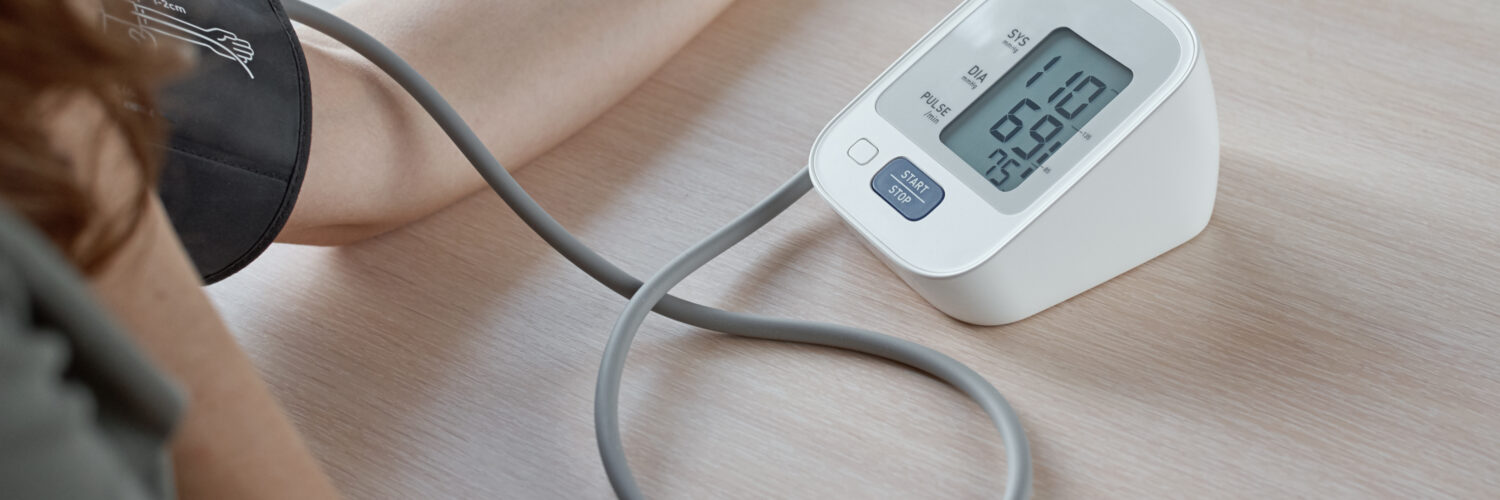
Checking your blood pressure every year helps you avoid years of uncontrolled blood pressure and its harmful effects. This is why regular blood pressure evaluation is critical in preventing the permanent conditions that come from unrecognized and untreated hypertension.
Understanding Blood Pressure Guidelines and Control
The guidelines that define hypertension have changed over the years. For nearly 25 years, experts considered normal blood pressure to be less than 140/90. But due to a landmark research trial, the guidelines changed in 2017. The SPRINT (Systolic Blood Pressure Intervention Trial) showed that systolic blood pressure of less than 120mmHg significantly reduced cardiovascular events (heart attack and stroke) and mortality (death) by 25% compared to those who had blood pressure of only less than 140mmHg. The data shows that the better blood pressure is controlled, the less likely hypertension is the “silent killer.”
And while there are many medications to lower blood pressure, prevention is key. It is easier to prevent a problem than it is to fix it. Weight loss, salt reduction, exercise, stress control and better sleep all can help lower blood pressure. In my practice as a cardiologist, I have seen many patients reduce or even eliminate their need for blood pressure medications. In many cases, weight loss alone makes a big difference.
However, lifestyle changes do not fix some causes of high blood pressure. Adrenal hormone abnormalities and renal disease are two examples of pathology that can cause high blood pressure. It is thus instrumental to work with a physician to determine if your high blood pressure can be managed by lifestyle and medications or if is due to something else that requires more specialized care (in some cases surgery).
Regardless of the cause of hypertension for any individual person, we have the tools to treat it and to ultimately prevent it from having devastating effects. Given how prevalent and preventable high blood pressure is, I want the people in our local community to not only be aware of the effects of uncontrolled high blood pressure but to also feel empowered to discuss this topic with their own providers so that they can take control of their blood pressure in hopes of improving both the quantity and quality of their lives.
 Carson Tahoe Health